Sea Freight : Fluten-free, distillery mumblecore selfies
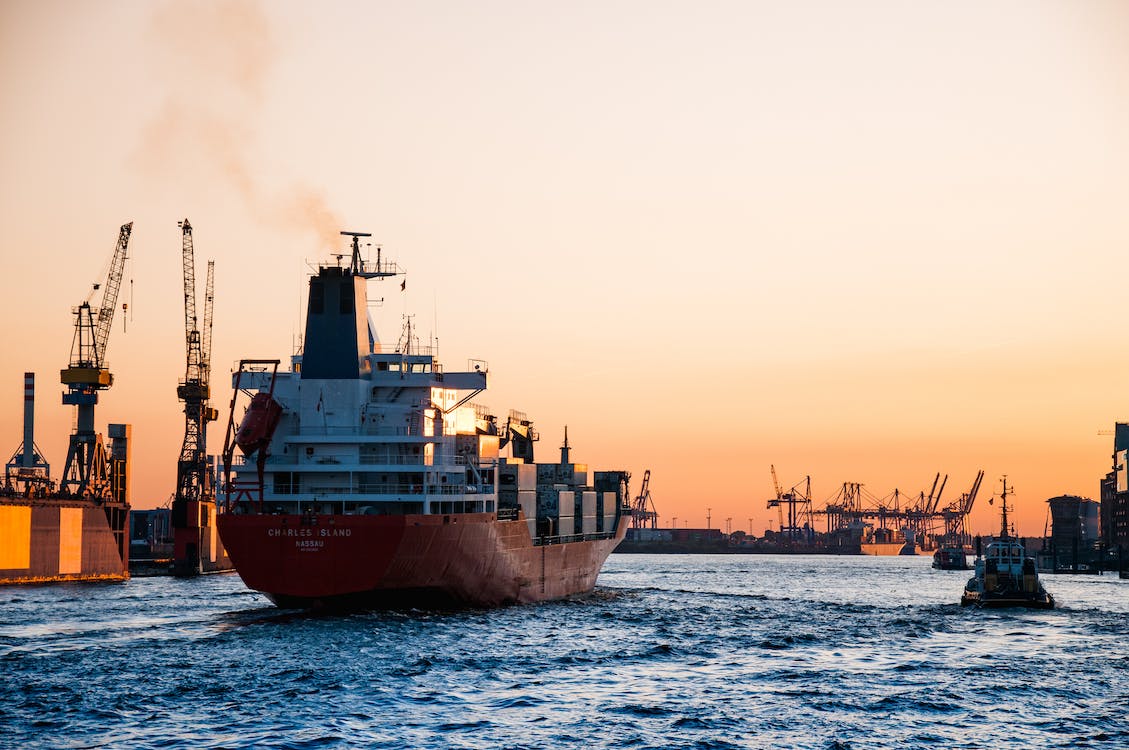
Sea delivery, also known as ocean freight, is a key component of global trade and logistics. It offers a reliable and cost-effective method for transporting goods and commodities across long distances. With its vast capacity and efficient operations, sea delivery plays a crucial role in connecting economies and facilitating international commerce.
Here are some important aspects to consider when it comes to sea delivery:
- Cost-Effectiveness: Sea delivery is often more cost-effective compared to other modes of transportation, especially for large and bulky shipments. Ships have high carrying capacities, allowing for the transportation of large volumes of goods in a single voyage. This makes sea delivery an attractive option for businesses looking to optimize their shipping costs.
- Global Reach: Sea delivery connects major ports and trade routes worldwide, providing access to a vast network of destinations. It enables businesses to access international markets and reach customers in different countries and continents. Whether it’s raw materials, finished products, or commodities, sea delivery offers extensive coverage for a wide range of goods.
- Sustainability: Sea delivery is considered a greener option compared to air or road transportation. Ships have a lower carbon footprint per unit of cargo transported, contributing to reduced greenhouse gas emissions. As sustainability becomes a growing concern, sea delivery offers an environmentally friendly alternative for businesses seeking to minimize their ecological impact.
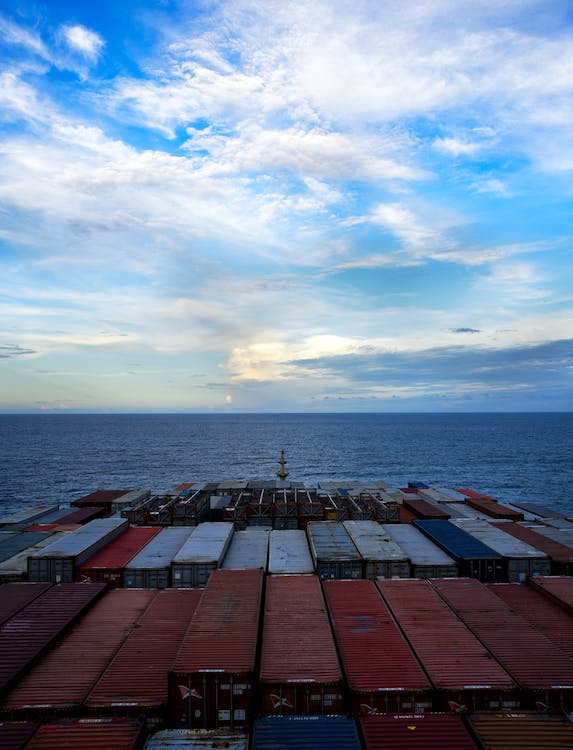
- Infrastructure and Efficiency: Ports and terminals play a vital role in facilitating sea delivery. Major ports are equipped with advanced infrastructure, including container handling facilities, cranes, and storage yards. This ensures efficient loading, unloading, and storage of containers, improving overall delivery timelines and reducing transit delays.
- Flexibility and Reliability: Sea delivery offers flexible shipping options to accommodate different business needs. From full container loads (FCL) to less than container loads (LCL), businesses can choose the most suitable shipping arrangement based on the size and volume of their cargo. Additionally, shipping schedules are typically reliable, providing businesses with predictable delivery timelines.
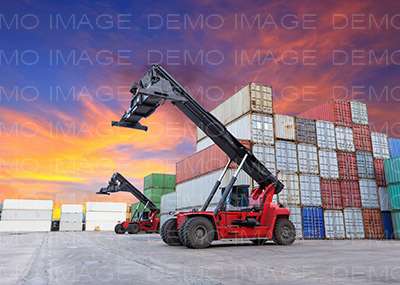
Specialized Cargo: Sea delivery can handle a wide range of cargo types, including hazardous materials, perishable goods, and oversized shipments. Specialized containers and handling procedures are available to ensure the safe transport of these specific cargo types, making sea delivery a versatile option for various industries.
In conclusion, sea delivery offers an efficient and cost-effective solution for transporting goods globally. Its cost-effectiveness, global reach, sustainability, and infrastructure make it a preferred choice for businesses involved in international trade. With its capacity to handle diverse cargo types and its reliability, sea delivery continues to be a crucial pillar of the global supply chain, supporting economic growth and facilitating trade between nations.